Spring Journal
There is a thing that happens, maybe especially at this time of the year, early spring, when you look at something familiar, a room, your usual dinner menu, a friendship even, or your yard, and think oh, how have I lived with this for so long? It needs to be totally redone.
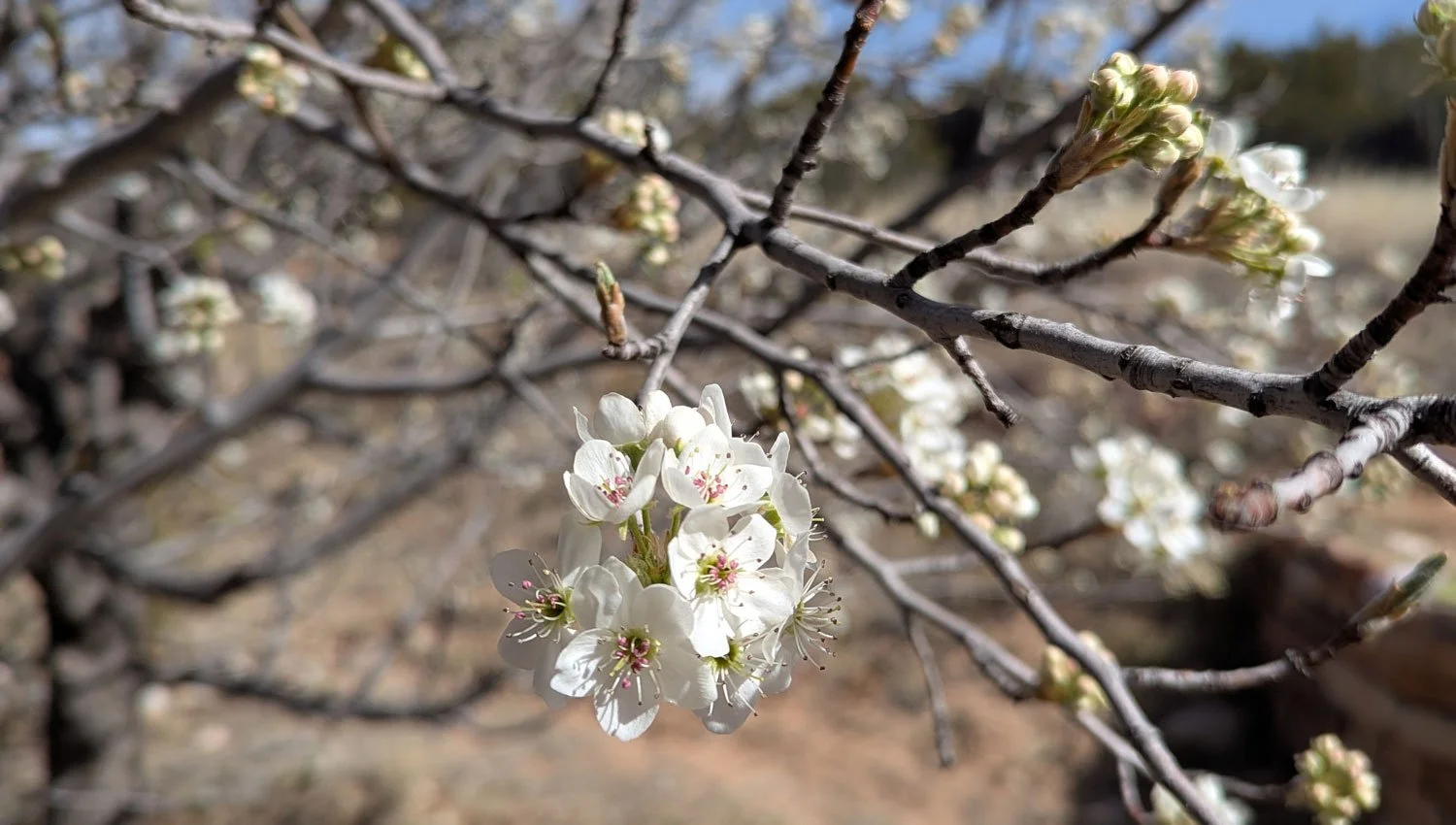
Not that you want to be rid of it – this thing only happens with what you really love or need, like a friendship with someone you've known for decades, or a shrub that's been growing outside your bedroom window for years. You don't want to cut it down, you just suddenly feel the overwhelming desire to prune it. To reshape it. Fortunately, this feeling comes at just the right time of year.
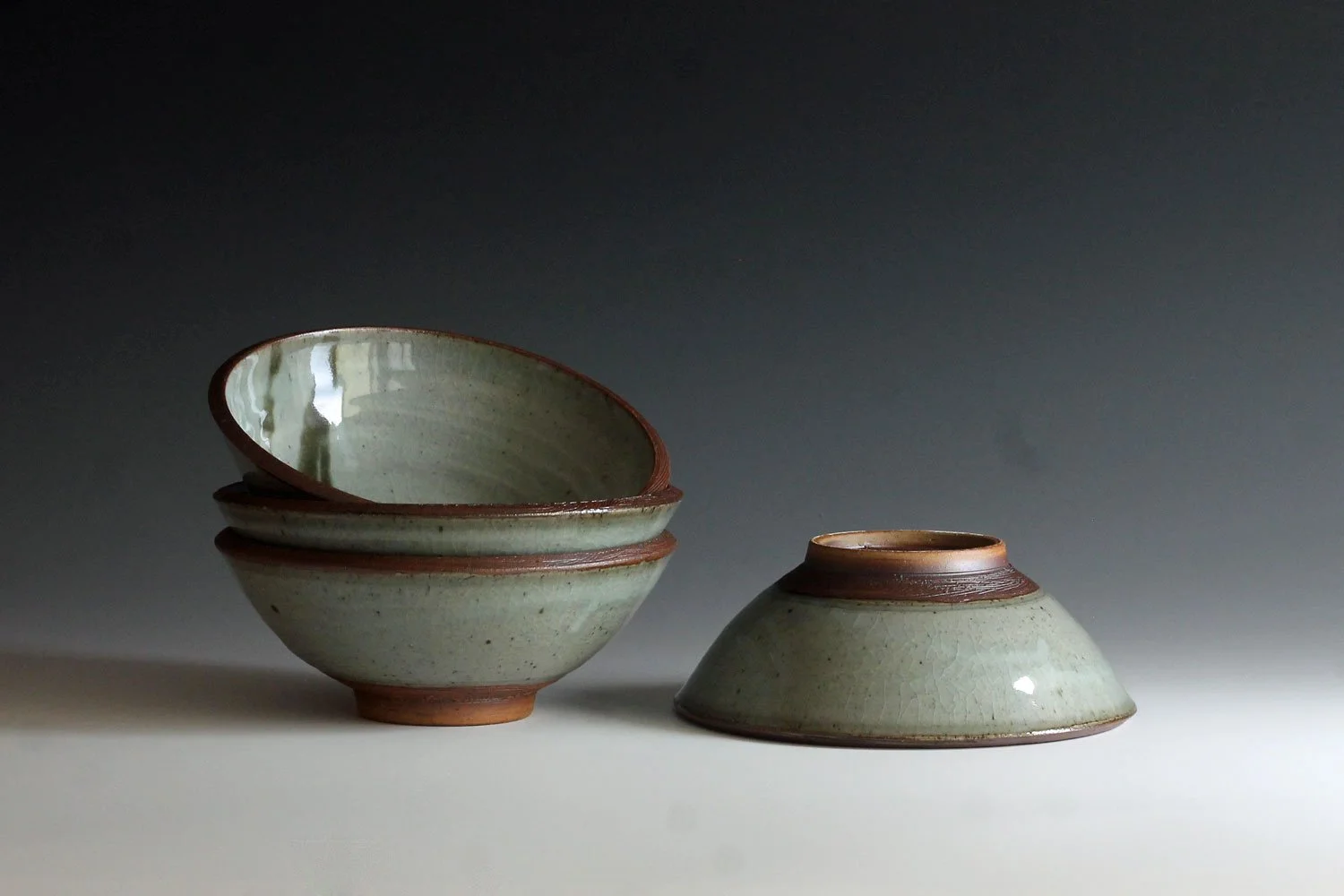
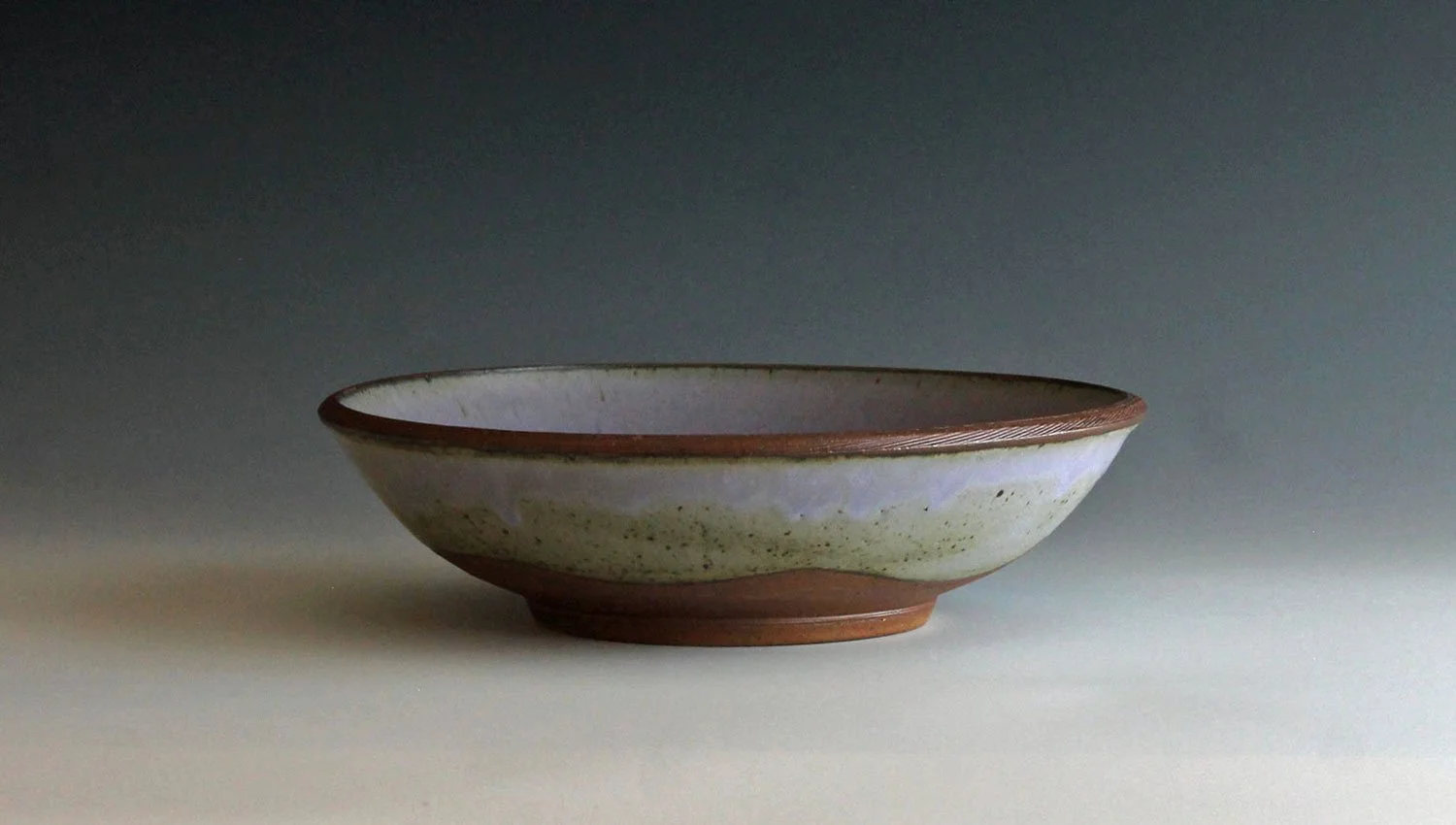
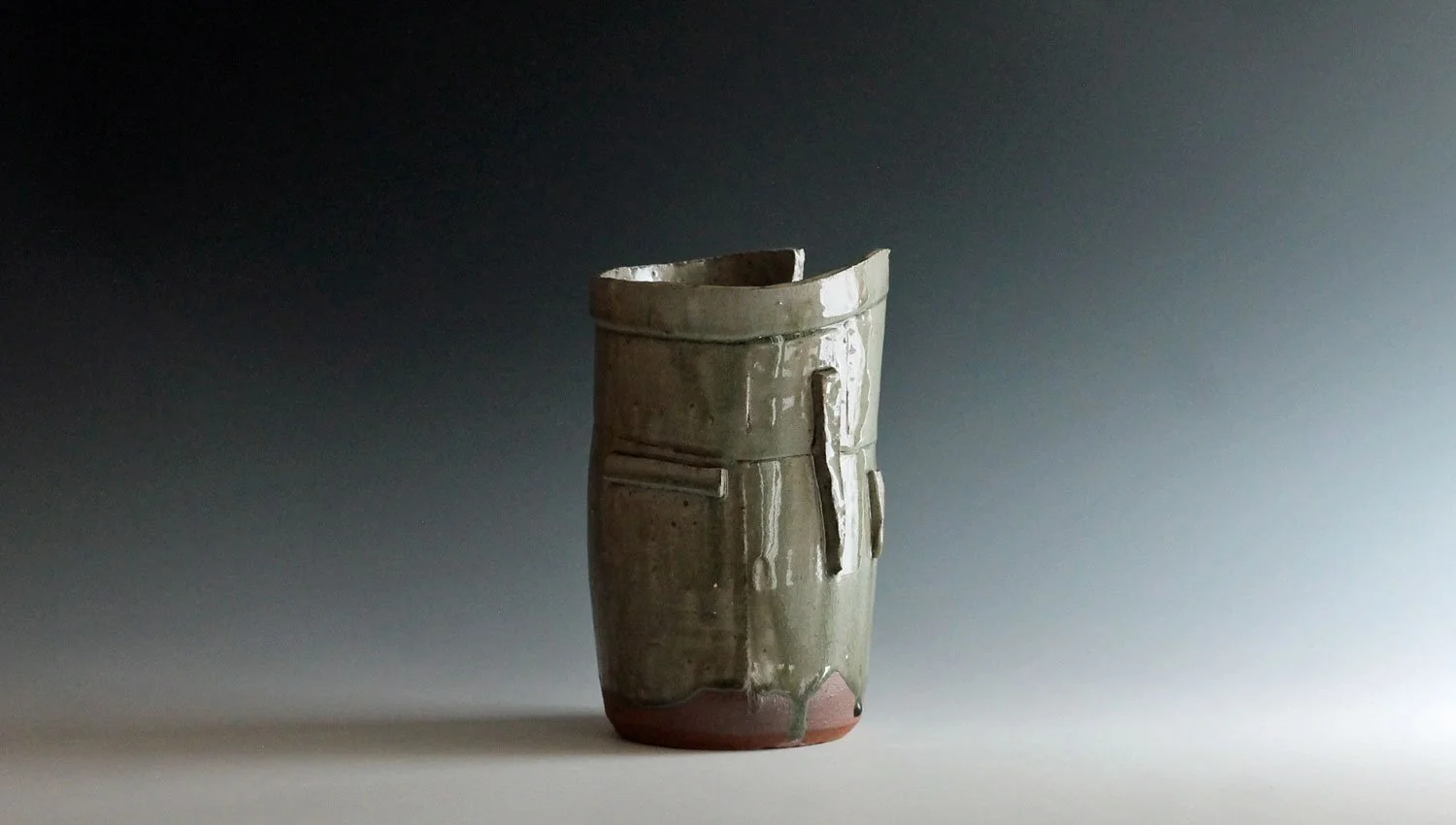
This desire for renovation can happen with pieces of pottery. I have a few big mixing bowls I keep in my kitchen, ones I made years ago that didn't turn out just right – the glaze applied just a little too thick. The bowls themselves were good, typical of what I always make, the narrow foot, the conical, rising shape. The other night I was washing one & stopped to hold it for a moment, this bowl I've lived with for years, and that I make all the time without really thinking. Wait, I thought, holding it critically, standing at the sink. This is all wrong. How do I still have this – how do I keep making these? The clunky heavy foot, the too-tight curve, like the bowl is holding its breath. I need to totally redo this. I need wider, curvier bowls.
The things you love and use all the time are of course changing, slowly, all the time, and you don't stop to notice, you just adapt. That's why these shocks of realization are important.
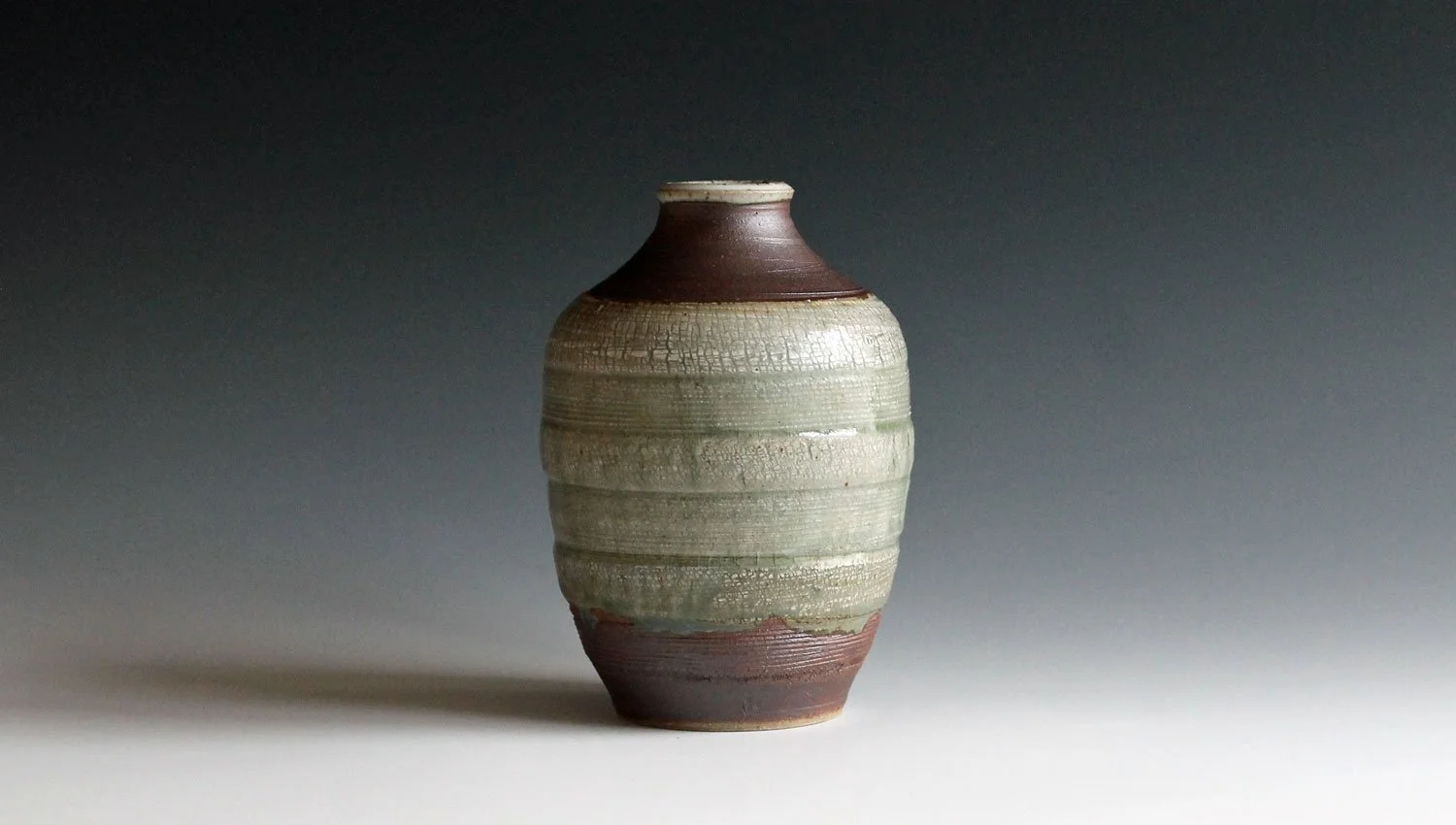
I have a favorite glaze, based on a recipe by Ursula Momens, and I remember when I first mixed it years ago I was delighted with the result, a waxy opaque coating, not thick, and not static on the surface – a little bit of movement as the kiln reaches temperature, a little pooling and translucency. A restless, animating, glaze. A month ago I was unloading the kiln and stopped to ponder my Momens glaze. Wait. What has happened? How long has this been going on? Over a couple years as I mix successive batches of this glaze, which contains a lot of wood ash, it has gotten runnier and runnier. It is thinning, racing to the bottoms of forms, dripping onto kiln shelves. I've known this – but I haven't known it. I've adapted, avoiding my favorite glaze for big plates or deep bowls, where it drains to a thick, crackly, puddle. I kept unloading, and dragged the Momens bucket to the side. Need to re-do, I wrote on a blank three-by-five card, which I fixed to the lid with a clothespin.
My seventh and eighth grade art teacher is my model for experiencing this particular shift in awareness, this startling up out of a slumber, this sudden desire to renovate. He sometimes entered the art room and just stopped, and looked across it, as though he could see something the rest of us couldn't. He was perpetually late, perpetually in a rush, often kept his Ray Bans on as he hurried through the halls. He liked to rearrange the chairs and worktables, and find the metal beams behind the acoustic tile in the ceiling to hang enormous potted plants from. Hey Ric, I would say eagerly, delighted that he'd finally arrived, interrupting him as he stood still, looking intently across the room. Hay is for horses, he might respond, and then walk across to a bookshelf and drag it ninety degrees, making a screeching sound. Just when you got used to the room, had a favorite spot, knew the routine, Ric would switch things around.
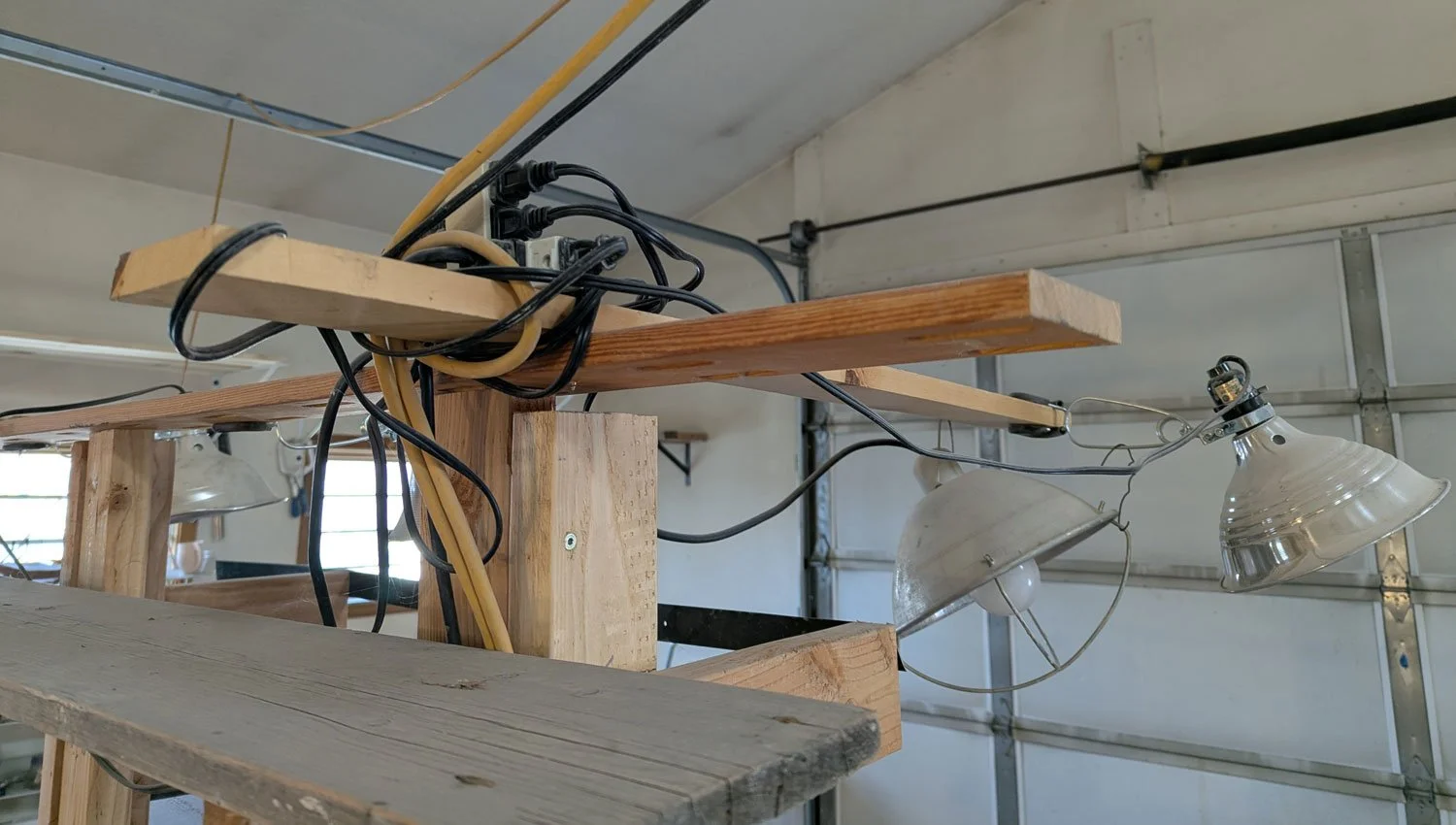
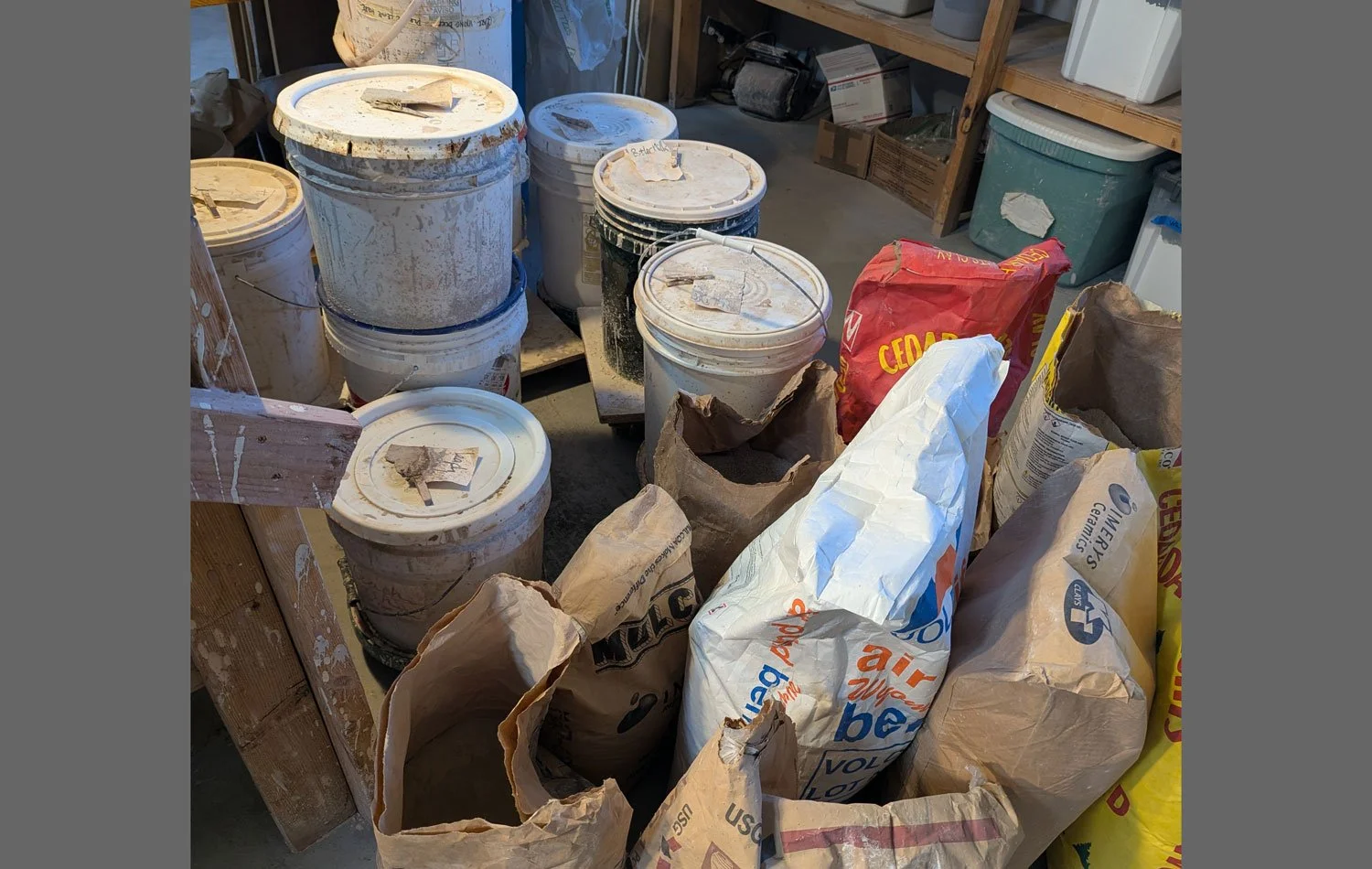
This happened to me just last week. I entered my studio, late as always, in a rush to wedge clay & begin working – but I stopped. I stood there looking at the glaze table. A tangle of two-by-fours and extension cords rose up from one side of it, supposedly lighting the work area and creating more places to put pots. Why is this like this, I suddenly thought, looking at my own studio through Ric's eyes. These shelves all have to come down. And this little table on wheels has to go – the same pile of sieves and nitrile gloves has been sitting on it for a year, untouched. Over the next two days I wore a respirator and undid everything, years of dust suddenly airborne, piles of old empty containers and inherited bags of glaze materials I'll never use stacked outside the door for disposal. I began anticipating how good it would feel to work in the opened-up space, to be facing a different direction as I stood at the better-lit glaze table.
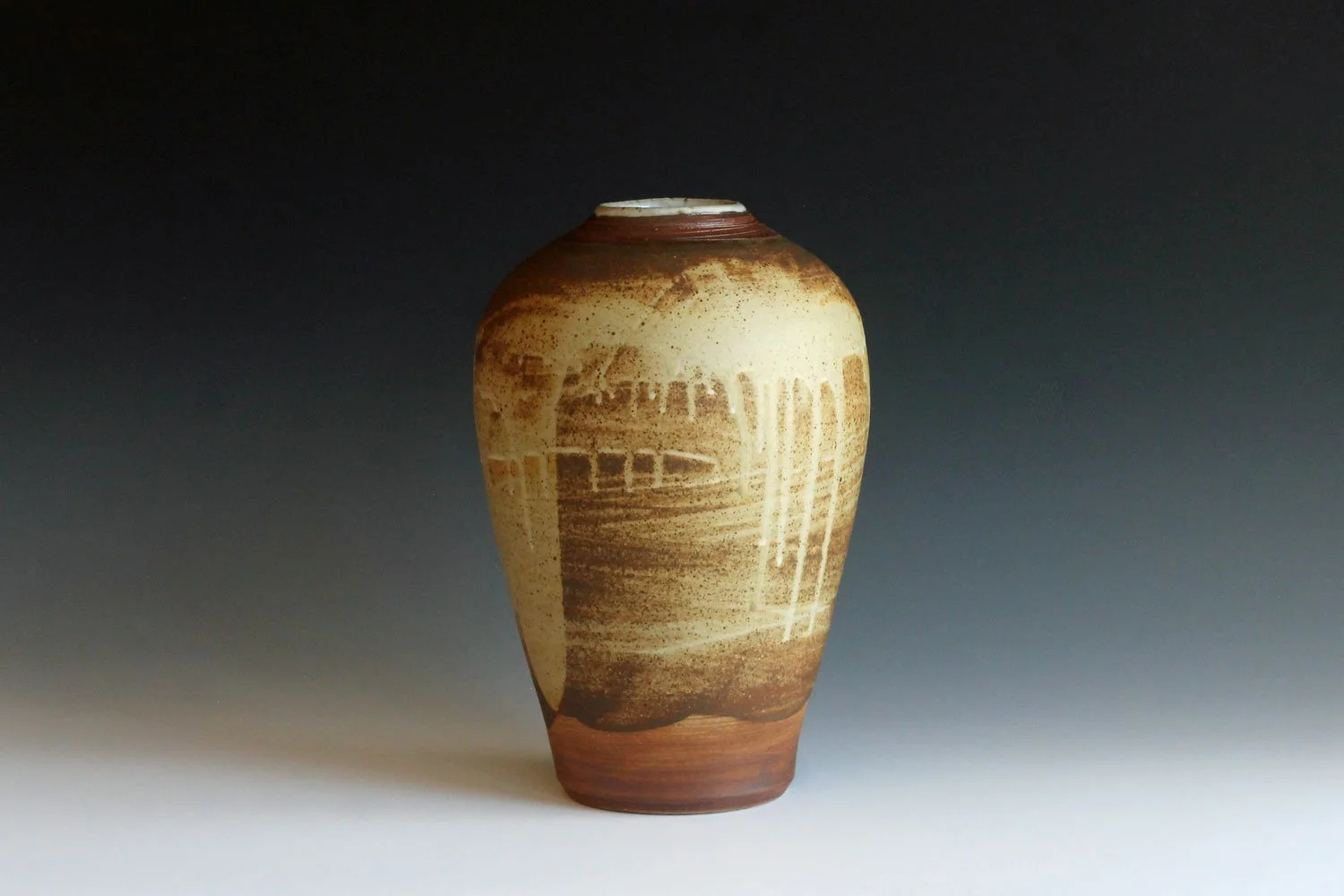
Also I began thinking, as I sponged the de-cluttered worktables, what is the opposite of this spring cleaning frenzy, this sudden urge to renovate? You can’t be renovating all the time, and certainly, there are phases when you use a glaze, or enjoy a friendship, without thinking critically about it, and sometimes when you’re busy you really do just need to adapt to the growing grime and clutter in your studio and just work. You can't be thinking about shelving and lighting all the time. The opposite of the need for renewal and change is the need for repetition, I guess. Ritual, even. Some of the tools arrayed above the old Lockerbie wheel where I trim pots are thirty years old & my hands reach for them without my noticing, as I take my seat again, on the same old cushion that’s been there a decade. The sameness lets them work quickly without my having to think. Doing something over & over makes time slow down and then cease to exist, a little, and I sink into an easy twilight acceptance, a ritualized ease, a feeling that these well-used and well-loved tools reach into the past, and have arrived here from somewhere else, just like the pots I make with them.
An artist needs to experience things both ways I think – you need that eagerness to dismantle and undo, to startle yourself awake. You also need that autumnal reverence for the way things have been forever, and the way nothing really ever changes in the clay studio, your pots are new and are also a repetition, in a way, of pots that came before.